Big News for Ohio: Ohio Medicaid Now Covers Lift Chairs With the Right Qualifications
Med Mart is dedicated to helping people maintain independence and lead comfortable lives in their own homes. Ohio Medicaid recently added lift chairs as a covered item, subject to meeting specific medical criteria, and certain plans require prior authorization. Lift chairs are considered durable medical equipment, which can increase independence in everyday life. Med Mart will assist qualified individuals with inspections, eligibility, and the entire approval process.
Understanding Ohio Medicaid Lift Chair Coverage
The new changes made to the Durable Medical Equipment (DME) policies in Ohio Medicaid permit the use of medically necessary lift chairs. This will cover the motorized seat-lift device providing all the necessary conditions are satisfied, and prior authorization is based on the Ohio Department of Medicaid.
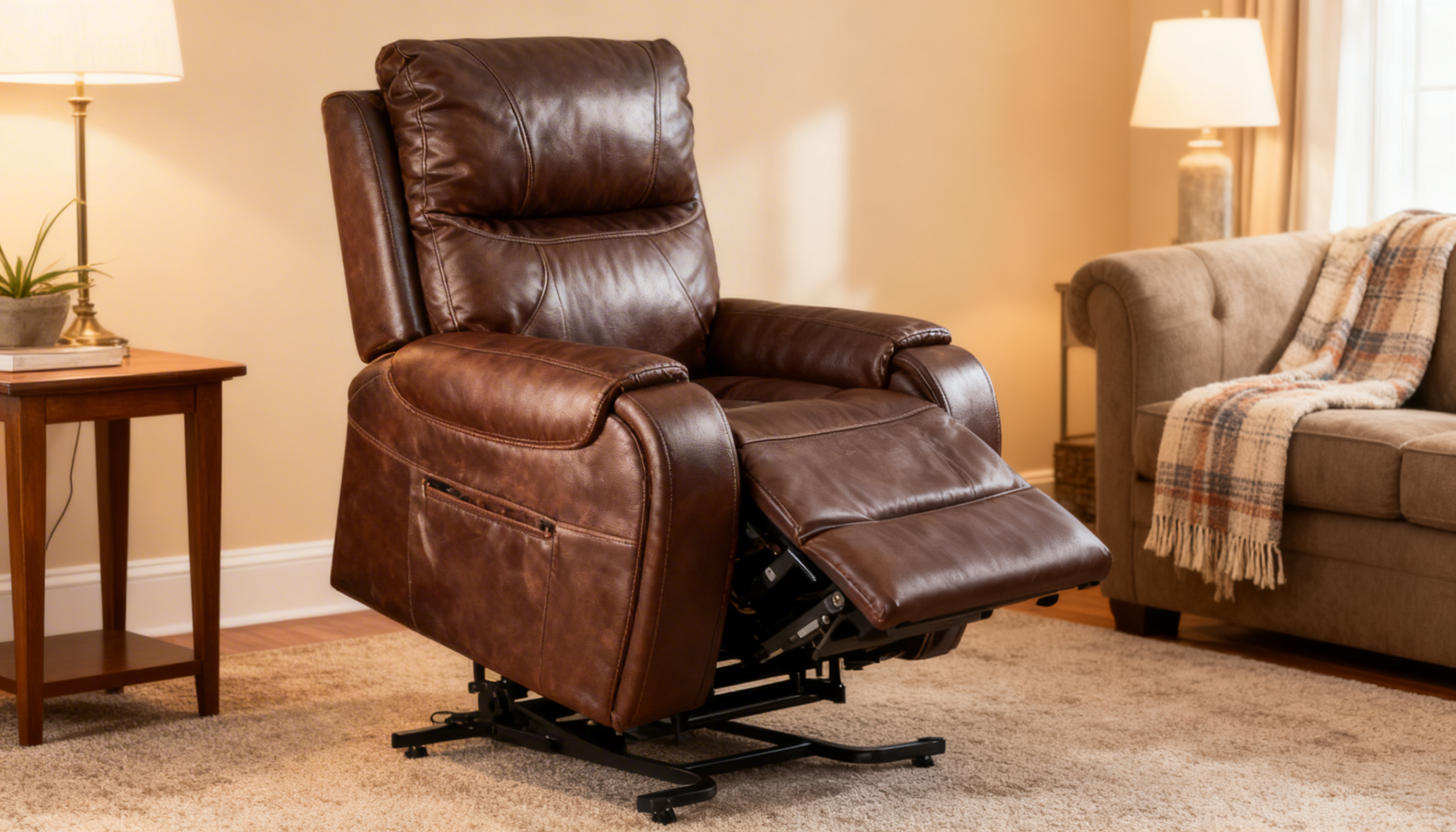
These devices can be included in a member’s general Medicaid benefits when duly documented. A lift chair is considered a medical device because it uses a powered lifting system to help people easily get up and down into a seated posture. This assistance could make a great difference to the overall functioning and safety of people with considerable mobility disabilities.
- Reduce the load on muscles and bones weakened by weakness
- Reduce the possibility of falls in the house
- Assist movement in standing up and sitting
- Enhance general autonomy and livelihood
Coverage is required as with other DME items:
- Medical necessity in the form of a documentary
- Observance of all criteria of coverage
- The Ohio Department of Medicaid requires prior authorization
The documentation of medical necessity and prior authorization is still mandated in Ohio Medicaid guidelines. Nevertheless, Ohio Medicaid currently reimburses lift chairs as equipment, provided they meet all clinical and administrative qualifications.
Who Qualifies for Ohio Medicaid Lift Chair Coverage
The Ohio Medicaid lift chair covers are offered to those beneficiaries who are eligible and show an evident level of medical necessity. Approval of coverage is based on documented clinical need, as the device should address actual mobility limitations.
Although the specifics of the plan may vary, the following main factors are vital to qualification:
Medical Necessity Must Be Clearly Established
A lift chair should satisfy the definition of a medical requirement by the Medicaid program, which is a contribution to diagnosis, treatment, or functional improvement. It should fit into the medical condition of the individual, have a benefit not obtainable by less expensive substitutes, and should not be used with the sole aim of providing comfort.
Necessity is determined by Medicaid based on:
- Direct functional support
- Condition-appropriate use
- No cheaper substitute
- Not comfort-driven
Physician Prescription and Clinical Documentation
The lift chair should be prescribed by a qualified clinician, and the medical condition that causes the request should be documented. This record must explicitly define the mobility constraints and explain how the equipment enhances day-to-day safety and functionality, meeting Ohio Medicaid’s durable medical equipment standards.
Documentation must include:
- Prescription by the clinician
- Complete explanation of the current condition
- Proof of mobility limitations
- Justification of the perks involved
Proof of Functional Impairment
Medicaid has recognized a lift chair as more suitable for those with quite restricted mobility, e.g., owing to arthritis, neuromuscular disorders, or chronic mobility impairment. The paperwork should also specify that the individual has difficulty standing independently, even when using assistive devices classified as durable medical equipment (DME) under CMS-recognized standards.
Evidence should confirm:
- Existing impairment document
- Observed standing disability
- Alternatives tried that were unsuccessful
- Impacted home safety solutions
Prior Authorization Must Be Submitted
The Ohio Medicaid must give prior approval before approving a lift chair. The request should be accompanied by documentation from the clinic, appropriate coding for the chair and lift mechanism, and medical records to substantiate functional limitations. It should also include medical records documenting the limitations in functionality. The absence of information is usually a slaying move in terms of approval or denial.
A complete request includes:
- Submission of the physician’s documentation
- Accurate HCPCS codes
- Relevant medical records
Medicaid Plan Enrollment and DME Provider Requirements
The patient should be registered in Ohio Medicaid, and the supplier, Med Mart Home, should be an approved supplier of DME. Claims can only be submitted by enrolled suppliers, in accordance with the Ohio administrative rules governing suppliers of durable medical equipment and their duties.
The compliance requirements entail:
- Enrollment of beneficiaries who are active
- Approved Suppliers of DME
- Operations compliant with protocols
- Adequate submission of claims
How Med Mart Can Help You Get Covered
Med Mart Home has helped in covering many of Ohio’s patients with needed durable medical equipment.
In-Store Evaluations and Consultations
The Cincinnati and Dayton teams at Med Mart Home discuss each person’s case and indicate the lift chair models with the greatest likelihood of meeting the medical need. All of the healthcare providers collaborate with our employees to make sure that:
- Accurate clinical documentation
- Correct HCPCS coding
- Necessary assessment forms
- Proper chair recommendations
Prior Authorization Assistance
It may be a daunting option to fill out prior authorization requests, particularly where a lot of paperwork is involved. Med Mart Home offers specialised assistance, which includes:
- Preparing and submitting requests
- Coordinating with healthcare providers
- Tracking authorization progress
- Communicating with managed care plans
Billing and Claims Support
After prior authorization is approved, Med Mart Home oversees the claims and billing process to ensure coverage is handled appropriately. Support includes:
- Filing Medicaid claims
- Following up with Medicaid or plans
- Supporting appeals if necessary
- Clarifying billing questions

Your Next Steps to Secure Lift Chair Coverage
A lift chair is an easier process through Ohio Medicaid when there is an outlined procedure to be taken. Follow these two easy steps to begin your approval process:
Step 1: Consult Your Healthcare Provider
Find a time to be evaluated to have your doctor review your mobility requirements and a prescription be provided with the necessary clinical assessment. This forms a medical necessity or a requirement to cover.
Step 2: Let Med Mart Home Handle the Process
The prior authorization and submission will be handled on your behalf by our team. We ensure that all forms, codes, and documentation are correct, minimise mistakes, and accelerate approvals.
Regain Independence and Confidence at Home
Lift chairs are medical devices that help individuals maintain independence, reduce the risk of falls, and live more safely at home. Since Ohio Medicaid recently expanded coverage, many more eligible Ohioans can obtain equipment that enhances daily living.
We are pleased to be on this journey with you at Med Mart Home. Our team provides guidance, experience, and a corporate atmosphere, so you can get a glimpse and pick the best lift chair that fits you.
Do you have any questions regarding your Medicaid coverage or the process itself? You can contact your Ohio Medicaid caseworker to clarify your coverage, or you can contact us specifically regarding equipment process questions. We’re here to make every step with you with the attention and detail it takes.
**Important Disclaimer
This blog will provide general information about lift chair coverage under Ohio Medicaid. The policies are changeable, and there is no coverage assurance. Decisions are made by Ohio Medicaid or the managed care organization that pertains to it.
Frequently Asked Questions
Do lift chairs covered by Ohio Medicaid come with a warranty?
The majority of lift chairs covered by Medicaid have manufacturer warranties, though coverage varies by brand. The patients should ensure warranty with their supplier before the final equipment is delivered.
Can caregivers operate lift chairs covered by Ohio Medicaid?
The lift chairs are also designed for patient and caregiver use, facilitating safe assisted transfers. Proper training should be done to care for them during the process to maintain safe operation.
How long does Ohio Medicaid usually take to approve a lift chair?
Approval cycles tend to vary, ranging from several weeks, though this depends on documentation compliance and provider responsiveness during authorization tasks.