
For seniors and people with limited mobility, getting out of the house for appointments and family visits can be an important part of daily life. A wheelchair vehicle lift loads the device into a car, SUV, or van without heavy lifting, protecting both the rider and the caregiver. Since every lift differs in style, vehicle compatibility, and weight capacity, choosing the right one requires close attention to your vehicle and the device details.
An experienced provider can help families avoid costly mistakes and unsafe installations. At Med Mart Home, we work with seniors, caregivers, and people with limited mobility to match every lift to the device, the vehicle, and routine. A wheelchair vehicle lift is an effective home mobility solution supporting independence beyond the front door. So choosing the right one takes careful planning.
Why the Right Lift Makes Every Trip Easier
A wheelchair vehicle lift is extremely useful and also saves a caregiver’s back. It makes every doctor visit, family dinner, and errand within reach. Making the wrong choice will make riders land on a lift that’s extremely small, heavy, or extremely tough to use, which ends up sitting idle.
According to recent reports from the U.S. Bureau of Transportation Statistics, 57.1% of adults 65 and older with travel-limiting disabilities made no trips at all. For adults 65 and older without disabilities, that number fell to 31.2%.
Choosing the right type clearly makes a huge difference. It helps in:
- Loading the chair effortlessly and saving time
- Caregivers can avoid heavy lifting and back strain
- The scooter or chair remains secure during every drive
- Trips to appointments and visits are seamless to plan
- A lift that aligns with the vehicle is longer-lasting and works way better
Choosing the right type of lift involves careful thought. The payoff is a safe, reliable way to keep you getting where you need to go. That is where a professional wheelchair vehicle lift installation in Cincinnati, OH, helps local families find the right lift for the right vehicle.
Key Factors to Check Before You Choose a Wheelchair Vehicle Lift
Here are a few key details to know before investing in a lift for your vehicle. Checking each one can prevent any misalignment.
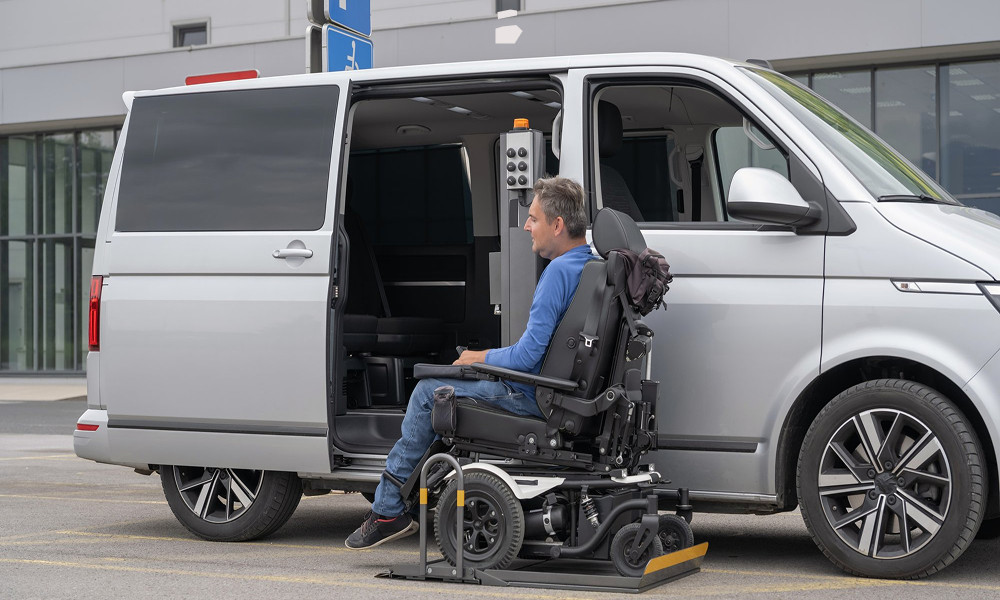
Start With Your Vehicle Type and Cargo Space
The lift you use will depend on the type of vehicle you drive. Capacity, door openings, and mounting points differ by type, so choose carefully between an SUV, sedan, pickup truck, or minivan.
Here’s what to check on your vehicle:
- The trunk volume or the entire cargo room behind the rear seat
- The width of the rear door or open tailgate
- The opening height of the chair, which is supposed to pass through
- A pre-installed or attachable trailer hitch
A few measurements will rule out lifts that simply won’t fit. Safety is also key when mounting a professional wheelchair vehicle lift.
Match the Lift to Your Chair or Scooter
A wheelchair vehicle lift isn’t intended for a standard wheelchair, but for the device you use. Unlike a manual wheelchair, a three-wheel scooter or power chair is much larger and heavier.
Here’s what to consider about your mobility device:
- The weight of the entire scooter or chair, including the battery
- The length and width of the device after loading
- Whether the chair is foldable or the scooter simply falls apart
- Any heavier or larger device you may ever buy in the future
Write these down as you go or before buying or making one. Check each lift’s limits to find suitable, safe options.
Compare the Main Lift Styles
The right lift depends on your mobility device, vehicle, and ability to load and unload the equipment.
- Hitch-mounted platform lifts: Carry a compatible power wheelchair or scooter on a platform attached to the vehicle’s hitch. They typically keep the device outside the vehicle.
- Interior platform lifts: Raise a compatible wheelchair or scooter into a vehicle’s cargo area. They require sufficient interior space and suitable mounting points.
- Interior hoist lifts: Use a lifting arm to raise and position a compatible mobility device inside a vehicle.
- Roof-mounted wheelchair loaders: Designed for certain folding manual wheelchairs, these systems lift and store the wheelchair on the vehicle’s roof.
Learning about the different styles makes it easy to eliminate some quickly. When you genuinely understand the differences, you can tell which option is best for your vehicle and everyday commute.
Check Weight Capacity and Hitch Rating
Check the lift’s rated capacity, the hitch’s tongue weight rating, and the vehicle manufacturer’s limits. For a hitch-mounted lift, the combined weight of the lift and mobility device must remain within all applicable ratings. Have a qualified installer confirm compatibility before purchasing.
Here’s what to check for in the ratings:
- The maximum lifting capacity listed by the lift maker
- The weight of your hitch that can carry safely, called its tongue weight rating
- The combined weight of the lift and the device it operates on
Staying under each limit helps the lift operate smoothly. It also protects the vehicle, the hitch, and the person using the lift.
Look at Controls, Power, and Backup Options
Many lifts run on the vehicle’s battery and use a simple switch or remote. Each control matters for seniors and people with limited mobility every time you leave or return home.
Here are a few features that make regular use seamless:
- A switch or a remote that’s easier to press with less hand strength
- A single-touch option that lifts and stores the device
- Safer wiring for the vehicle’s battery
- A manual emergency-lowering or backup procedure, if provided by the manufacturer
Ensure you test every control when you can. Comfort and ease of controls matter more than any additional features that you’ll hardly use during daily chores or trips.

Think About Weather and Everyday Use
A lift that remains outside the vehicle is exposed to rain, snow, and road salt year-round. A lift inside the vehicle stays well protected. However, it takes up significant cargo space you might need.
Here’s what to consider for year-round use:
- Rust-resistant or coated components that can handle both wet and cold weather
- A cover safeguarding a hitch-mounted lift whenever it’s parked
- Cargo space you can give up if the lift is inside the vehicle
- Sufficient ground clearance allowing the lift to never scrape on driveways
Imagine your normal week across every season. That clear view can help you choose a lift that stays reliable and easy to use year-round.
Confirm Safe Installation and Vehicle Fit
Each lift type depends on the compatibility of a vehicle and its installation. Ensure you select a type approved for your mobility device and vehicle, following the installation or operating instructions provided by the manufacturer. An experienced installer will check every mounting point, weight limitations, electrical connections, and safer loading procedures.
Here’s what safer installation professionals offer:
- A lift specifically designed for your specific car model, manufacturer, and year
- Building according to the instructions step by step
- Checking the wiring to prevent this from draining or damaging your car’s batteries
- A demonstration of the loading, unloading, and emergency procedures before the first trip
A trained installer can help keep the lift operating safely and preserve its warranty. It can also give you peace of mind on every trip, whether you or a loved one is driving.
Plan for Cost, Funding, and Support
Wheelchair vehicle lift costs vary significantly based on lift style, vehicle type, and the features you choose. Original Medicare typically doesn’t cover vehicle modifications or any vehicle-mounted lifts that are used for transporting a wheelchair or a scooter. Some veterans might qualify for VA vehicle adaptive equipment benefits, while other state vocational rehabilitation programs, along with the rest of the assistance programs, might support those who are eligible.
Funding options and costs to consider:
- VA grants for veterans who are eligible and seeking vehicle adaptive equipment
- State vocational rehabilitation programs for individuals who rely on a lift to work
- Maker’s financing or rebate offers on new lifts
- Repair or service plans that keep the lift working for several years
Check the full cost, including both service and repairs. That gives a real picture beyond the sticker price so that you can budget confidently.
Choosing a Lift Feels Simpler When Med Mart Home Reviews Your Vehicle With You
A wheelchair vehicle lift works best when it fits your vehicle, your mobility device, and your daily routine. Getting that match right is easier when one provider looks at all three together. Med Mart Home makes this simple with a free in-home estimate, where the team reviews your vehicle, device, and needs before recommending a lift. Contact us today to book a free estimate and find the lift that fits your vehicle.
Easy Trips Begin With One Good Decision
Getting around for seniors, older adults, people with limited mobility, or those who’re recovering from surgery should feel easier. Making a trip to the store, visiting family, or driving to an appointment matters more than people realize.
Installing the right medical mobility device can make those moments possible almost daily. So take some time, clarify your concerns, and choose what makes you feel comfortable. All you need is professional planning and expert support to help maintain your independence.
Frequently Asked Questions
Can I move a wheelchair vehicle lift to a new vehicle later?
Some lifts can move to a new vehicle if the new one suits the lift. A professional should check the fit and handle the move.
Does a vehicle lift affect my car insurance?
It can, so tell your insurance company about the lift. Ask whether the lift is covered if it is damaged or stolen.
Can I add a lift to a leased vehicle?
Check your lease first, since many leases limit changes to the vehicle. Even if a lift mounts without permanent changes, it’s wise to get approval from the leasing company
How often should a wheelchair vehicle lift be serviced?
Follow the manufacturer’s recommended inspection and maintenance schedule. Check the lift for visible damage, loose components, unusual noises, and operating problems, and arrange professional service when required. Heavy use and exposure to weather may increase maintenance needs.