For seniors or people with limited mobility, home accessibility modifications are often necessary for safety and recovery. Adding a stairlift, ramp, or walk-in shower can feel like a huge investment at first. However, it’s natural to wonder if homeowners insurance can help cover some of the cost. The answer is typically more complicated than a simple yes or no.
Most standard homeowners policies cover damage and unexpected loss, not planned upgrades such as home accessibility modifications. Clear insight into what insurance does and doesn’t cover saves confusion later.
Families often start to seek other options when they are confused about what insurance covers and what a home really needs. This is where Med Mart Home steps in to help families bridge that gap, guide them through financing and installation, and help them choose the right home mobility solutions. So, understanding the real answer about insurance is often the best place to start before deciding.
What Homeowners Insurance Is Really Designed to Cover
Homeowners insurance covers sudden, unexpected damage and not planned home upgrades such as accessibility modifications. Those differences often catch most families off guard. This is because the projects range from around $100 for a single grab bar to well over $10,000 for a full bathroom remodel or adding a stairlift.
According to recent data from Medicaid’s Home and Community-Based Services program, over 607,000 people are on a waitlist, with an average wait time of 32 months. That’s why knowing every funding option available matters, instead of assuming one program will cover the cost.
Why does it matter so much:
- Insurance covers accidents, not upgrades
- Modification costs vary widely
- Waitlists for aid can be long
- Assumptions can delay important projects
- Multiple funding paths often work best
Each of these lands on the same conclusion. Knowing your options sooner can make the whole process less overwhelming.
When Homeowners Insurance May Actually Help Pay for Modifications
A handful of situations allow homeowners insurance to help, although it rarely covers modifications directly.
Rebuilding After a Covered Loss
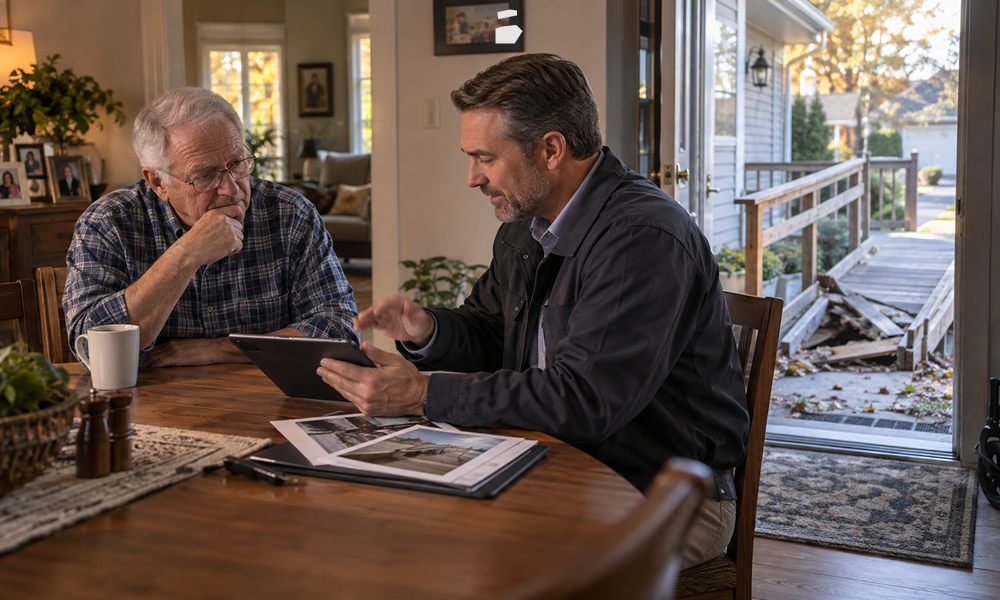
If a covered loss triggers updated building-code requirements, ordinance or law coverage may help with certain additional repair or rebuilding costs, depending on the policy.
Damage to Existing Modifications
A ramp, modified bathroom, or stairlift that’s already installed is treated like any other part of the home. If a covered threat like a fire or storm damages it, dwelling coverage might pay for repairs.
Optional Riders and Endorsements
A few insurers offer optional endorsements that cover medical equipment or accessibility features. Such add-ons are often uncommon and vary notably. So, ask a provider about mobility equipment and medical supplies to confirm.
What Insurance Typically Means for Each Home Mobility Solution
Coverage details can change based on the type of home mobility solution you’re considering. So, here’s what generally applies to each.
Stair Lift Installation
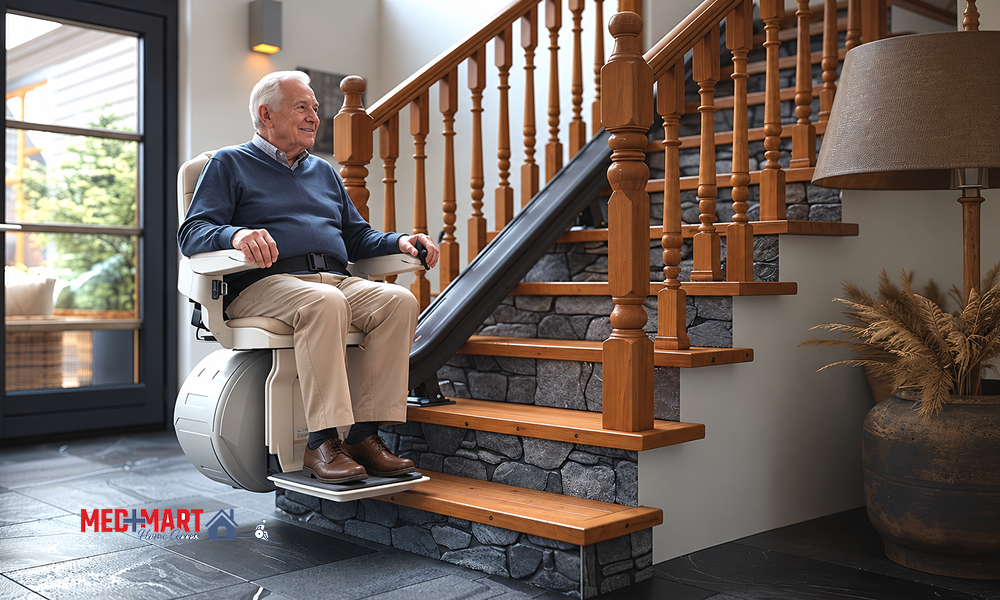
Homeowners insurance does not cover a stair lift. It’s considered a planned mobility upgrade, not damage repair. Long-term care insurance and specific Medicaid waivers may help with this specific cost.
What to check before buying:
- Long-term care policy details
- Medicaid waiver eligibility
- Manufacturer financing options
- Liability coverage after installation
Confirming these options sooner with the help of experts can save thousands compared to assuming that homeowners insurance will step in.
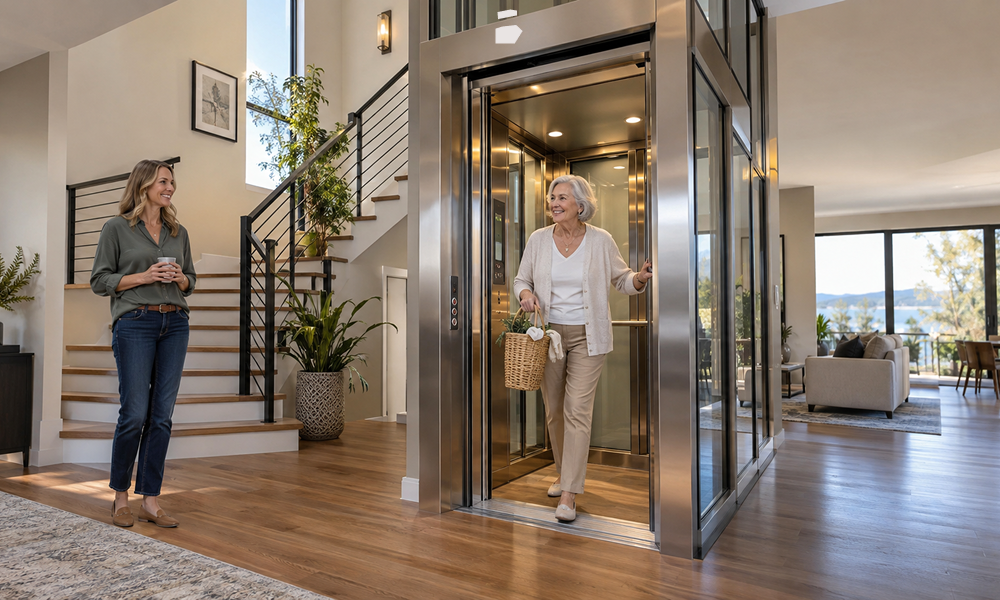
Home Elevator Installation
Home elevators are a considerable investment. Insurance treats them like any other planned modification. Coverage generally applies only if the elevator is damaged after a covered event, not during installation.
What to check before buying:
- Homeowner policy renovation riders
- Ordinance or law coverage details
- Long-term care insurance benefits
- Local accessibility grant programs
Since the cost is considerably high, it’s worth exploring every funding option before the installation begins. This is where professional home accessibility installers can help.
Walk-in Tub
A walk-in tub is typically classified as a bathroom upgrade, which removes it from standard homeowners coverage. Some insurers offer optional add-ons that might apply in extremely specific situations.
What to check before buying:
- Optional policy endorsements
- Medical expense tax deductions
- Long-term care insurance riders
- Installer financing
Wheelchair Shower
Because a wheelchair-accessible shower usually involves remodeling or structural changes, standard homeowners insurance generally does not pay for the planned upgrade. However, coverage may apply to repairs if an existing modification is damaged by a covered event.
What to check before buying:
- Liability coverage for wet areas
- Medicaid environmental adaptation benefits
- Contractor warranty details
- State accessibility grant programs
Wheelchair Ramps
Ramps are one of the most cost-effective home mobility solutions. However, they generally fall outside standard insurance coverage. Liability coverage is extremely important once the ramp gets installed outdoors. Since ramps are often the most accessible entry point for funding help, it’s worth understanding it first. This is where professional installers can help to make things easier for you.
Ceiling Lifts and Hoists
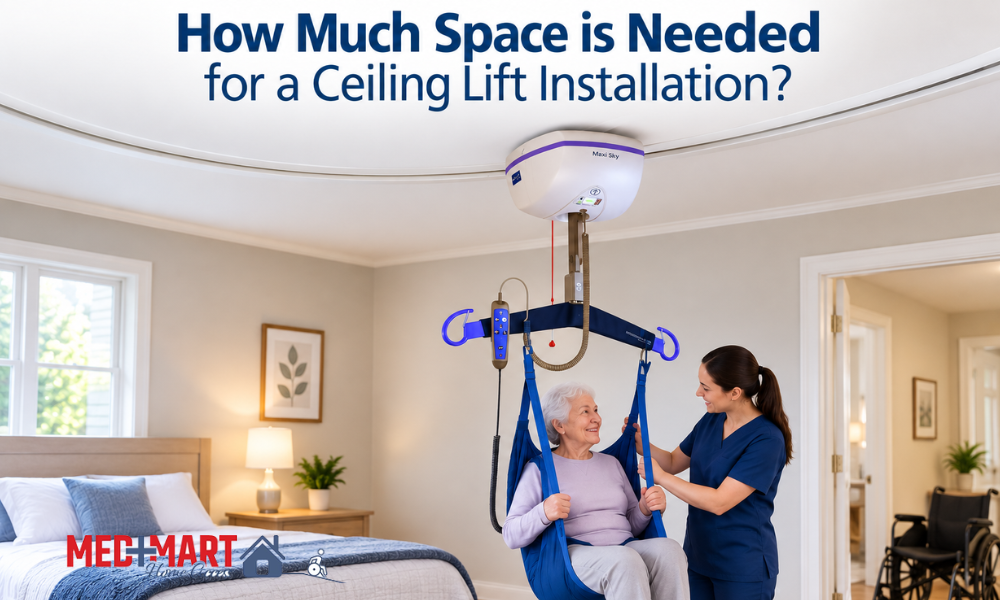
Ceiling lifts involve both equipment and structural installation. Insurance separates them into two extremely different categories. The equipment itself often qualifies for Medicaid or long-term care support.
What to check before buying:
- Medicaid durable equipment benefits
- Long-term care insurance coverage
- Installation versus equipment cost splits
- Caregiver liability considerations
Keeping equipment and installation costs separate often shows that funding options are not initially obvious.
Wheelchair Lift
Standard homeowners insurance generally does not cover the planned installation of a wheelchair lift. Other funding sources may be available depending on eligibility.
What to check before buying:
- Liability coverage for lift areas
- State and local accessibility grants
- Manufacturer financing programs
- Homeowner association approval requirements
Thoroughly checking HOA rules alongside other insurance-related questions can prevent delays as the project begins.

How to Plan Accessibility Modifications Without Overpaying
People often overpay for home accessibility modifications because they skip a couple of key steps. Mistakes can be made when comparing options or confirming funding before entering into a contract. At Med Mart Home, we work alongside families through every step to help them make decisions based on clear information instead of making assumptions.
Here’s how our team of experts can help you plan without overpaying:
- Free in-home consultations before you commit
- Showroom comparisons across multiple product brands
- Flexible financing options to spread out costs
- Rental options to try before you buy
- Repair services that extend equipment lifespan
Contact us today to consult about your project and get a clear, easy-to-understand installation plan!
A Little Research Now Saves a Lot of Frustration Later
Situations for almost every homeowner appear a bit different. No single answer applies to every project or policy. Some families will get better support than they expected, while others will need to explore a couple of different options.
Take time to ask the right questions now, because it’s always worth it. With the right information in place, moving ahead with a home modification project becomes less stressful.
Frequently Asked Questions
Does renters insurance cover accessibility modifications?
Renters insurance typically covers personal belongings, not structural modifications, since those usually require landlord approval and separate funding.
Will accessibility modifications affect my home's resale value?
Many modifications, like walk-in showers and wider doorways, can appeal to future buyers and may support resale value.
Can I deduct accessibility modifications on my taxes?
Some modifications may qualify as a medical expense deduction if prescribed by a doctor, and costs exceed IRS thresholds.
Will installing a ramp or stairlift raise my insurance premium?
It’s uncommon, though mentioning new features to your insurer helps ensure liability coverage reflects your home accurately.
How long does an insurance claim for storm-related rebuilding usually take?
Timelines vary by insurer and damage extent, though most claims are resolved within a few weeks to a few months.