One of the biggest challenges for seniors and individuals with limited mobility is moving up and down stairs. Often, family members and caregivers worry about their loved ones living independently and navigating stairs daily. This is where mobility equipment like a home elevator becomes a practical solution, restoring comfort, safety, and confidence for individuals at home.
There are various factors to consider when looking into a home elevator, such as selecting the right model, determining placement within your home, knowledge of structural needs, safety considerations, and working alongside a reliable provider.
This is where providers like Med Mart Home offer trustworthy mobility solutions and professional home elevator installations. Every installation service includes careful planning to help individuals create a safer, highly accessible space for themselves. So, today we are going to highlight a few integral aspects that homeowners should be aware of before heading forward with a home elevator installation.
Why Home Elevators Are a Practical Choice for Improving Mobility
Stairs turn into a regular hurdle to cross for seniors and people with mobility restrictions. The same is true for patients undergoing recovery at home. Home elevators are the safest solution to move between floors without causing physical stress or becoming exposed to risks often connected to staircases.
Although home elevators offer numerous perks, a few of them are:
- Reduced risk of falling
- Safest access to the floor
- Ease of caregiver assistance
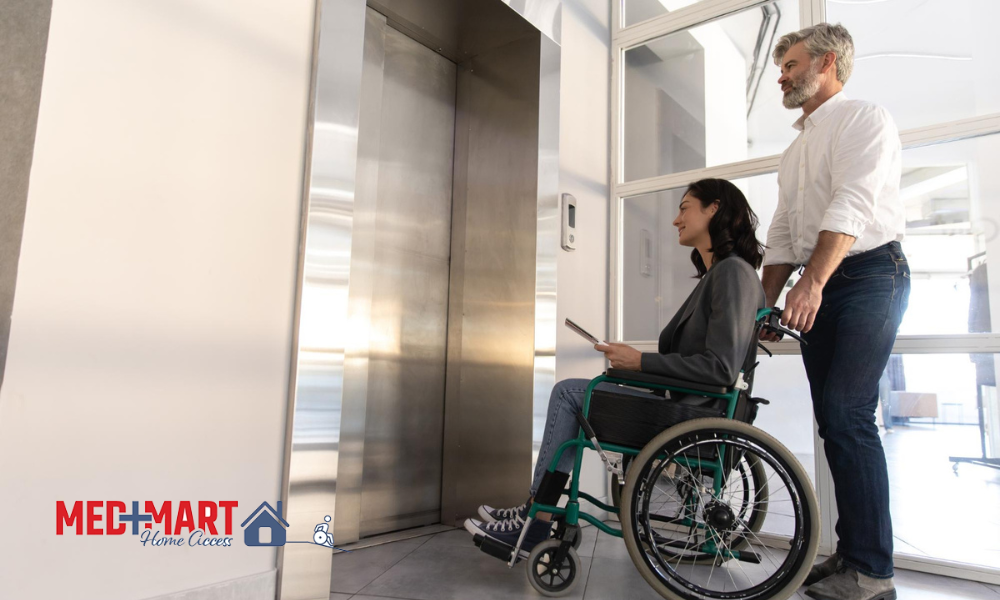
- Support to navigate using wheelchairs
- Comfortable and safe home mobility solution
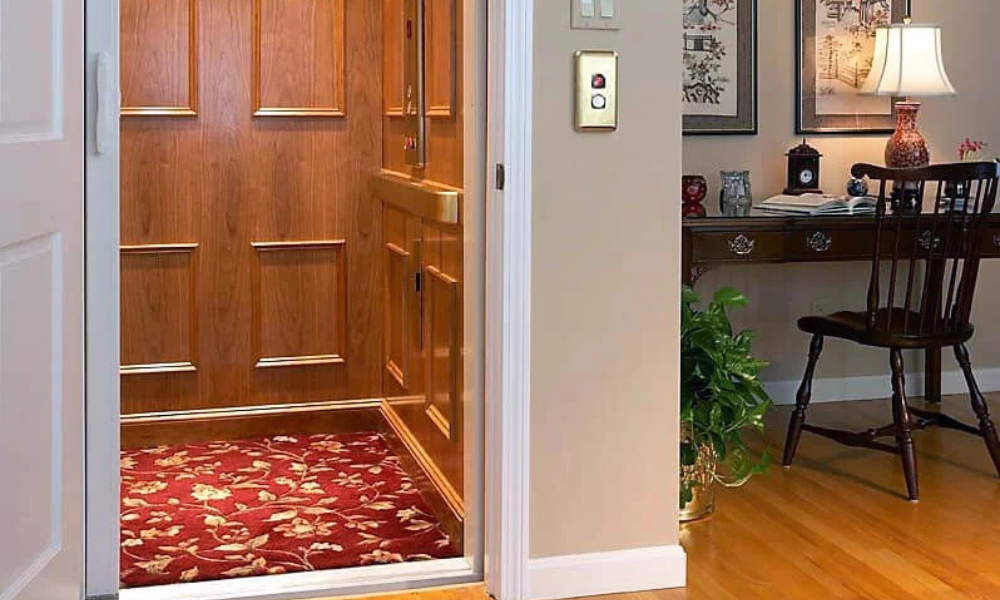
Elevator installations are a cost-effective home modification solution. This makes multi-level homes safer and more accessible.
Important Considerations When Planning a Residential Elevator
There are numerous factors that seniors, caregivers, and homeowners should understand before getting started with the installation.
Evaluating Home Accessibility Needs
The main mobility needs that should be assessed:
- Wheelchair accessibility
- Limited stair ability
- Balance or strength issues
- Caregiver assistance needs
In numerous instances, families seeking accessibility improvements might even check other supportive equipment and medical supplies. This enhances overall comfort, safety, and independence of an individual in their own home.
Determining the Right Elevator Type
The structural design of home elevators stands as a smart design that accommodates different accessibility needs, mobility devices, and home layouts. Choosing the right type based on user needs can help users move between floors comfortably and safely without any difficult operations.
The primary options for home elevators include:
- Hydraulic lift systems
- Traction cable elevators
- Pneumatic vacuum elevators
- Compact home lifts
Choosing the right system can help ensure that the elevator will work smoothly, while offering comfort and safety to seniors and those with limited mobility.
Prioritizing Safety Features
One of the critical factors that should never be overlooked is safety. This is the most important part when discussing home elevator installations. The elevators today are designed with multi-tier safety systems that safeguard users during regular operation.
Always check for the following important safety features:
- Emergency stop button
- Automatic door sensors
- Backup battery power
- Weight capacity monitoring
These are the key safety systems that can prevent mishaps, protect users, and offer peace of mind to both family members and caregivers.
Understanding Installation Costs
Cost depends on the following factors:
- Cost of elevator selected
- Structural adjustments of the home
- Labor costs for professional installation
- Accessible custom features
Careful budget planning ensures that seniors and families can select a good elevator system that offers a perfect balance of safety, cost-effectiveness, and long-term accessibility.
Planning for Maintenance and Reliability
Proper routine maintenance is of huge importance to ensure your elevator operates efficiently and safely. Professional servicing ensures that every working component and safety system operates smoothly for a long time.
The general upkeep services include:
- Inspecting the safety system
- Inspection of mechanical parts
- Routine services for lubrication
- Updating the control systems
Working With an Experienced Accessibility Provider
Selecting an experienced accessibility provider is the key to installing a residential elevator for seniors or people with mobility restrictions. Professional help can ensure that the system aligns with the needs of safety and individual accessibility.
A reliable provider offers:
- Assessing home accessibility needs
- Custom installation strategies
- Code-compliant equipment
- Consistent support services
Families or seniors looking for trustworthy mobility solutions should contact Med Mart Home. They are a trusted medical supply and equipment store in Cincinnati and Dayton, Ohio, offering mobility medical devices and professional installation services. Services are tailored to support seniors and individuals with mobility limitations.
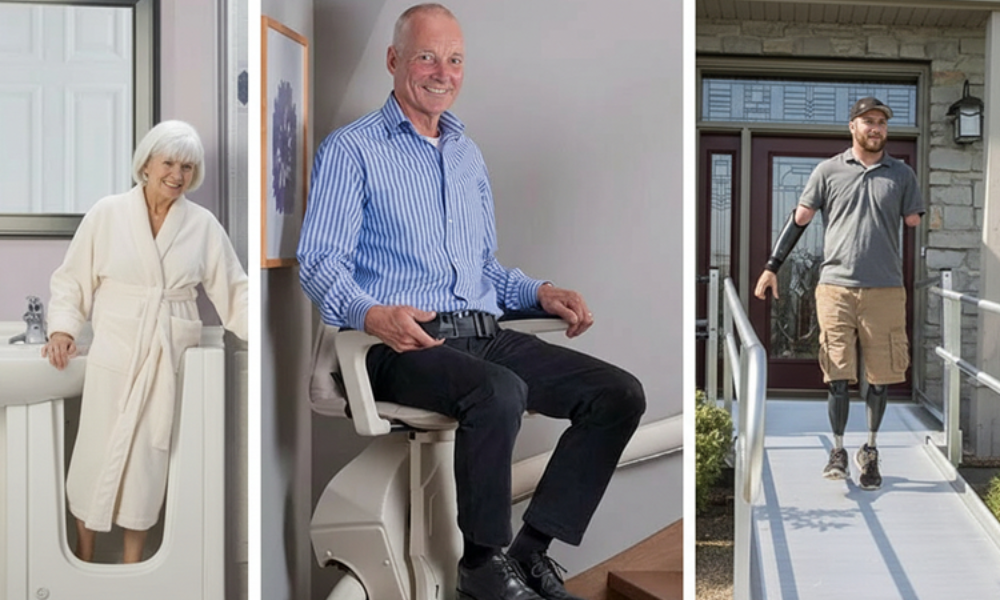
Additional Accessibility Installation Services Offered by Med Mart Home
Med Mart Home’s support does not stop at offering home elevator installation. All solutions are designed to help seniors and people with limited mobility live safely as well as age independently at home.
Stair Lift Installations
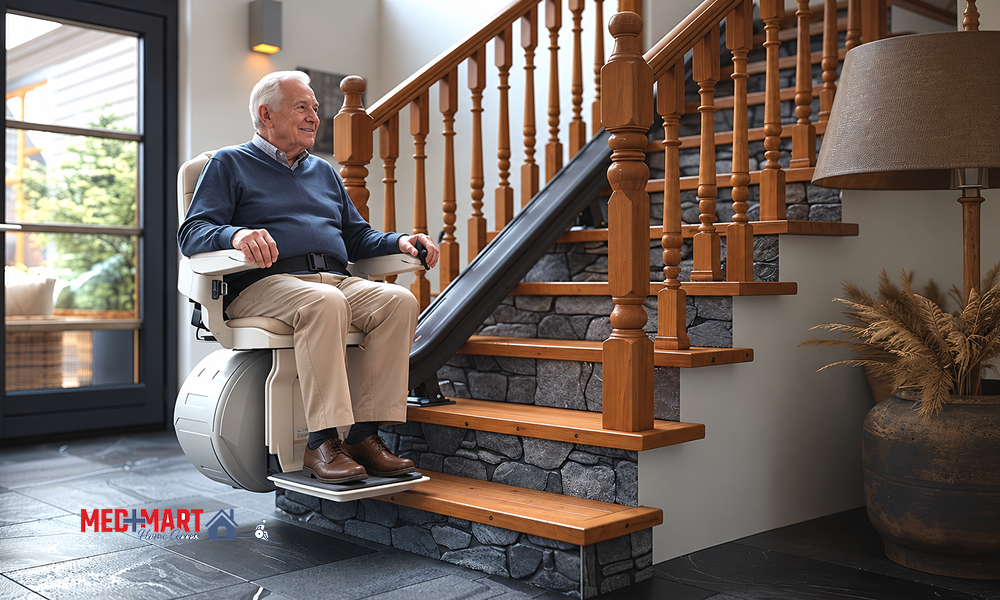
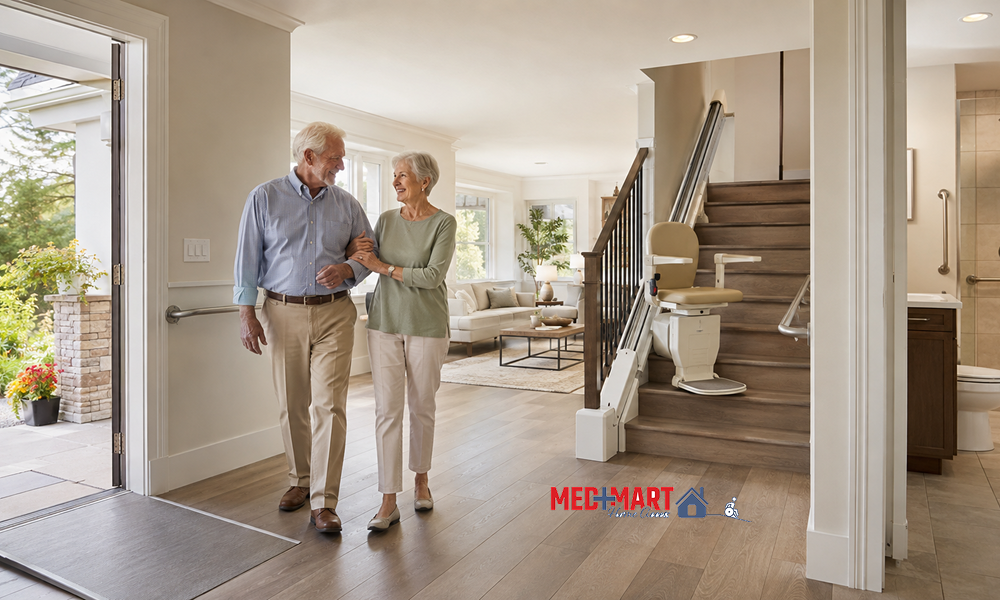
Stair lifts are yet another practical solution to help people move safely between stairs. These include a motorized chair on a rail system to help seniors move between floors while reducing the risk of falls and physical strain.
Walk-In Tub Installation
Walk-in tubs offer a safer bathing option for seniors and people with mobility challenges. These tubs feature built-in seating, low-entry doors, and safety features to prevent slips and offer a comfortable bathing experience.
Wheelchair Shower Installation
Wheelchair showers offer access to people using mobility equipment. These showers include grab bars, non-slip flooring, roll-in, and handheld showerheads. It helps to create a comfortable and safe bathing space.
Wheelchair Ramp Installation
Wheelchair ramps enhance accessibility to help people enter and exit their homes safely without having to use stairs. Professional ramp installations provide smooth access and support for both mobility scooters and wheelchairs.
Ceiling Lift & Hoist Installation
Ceiling lift & hoists offer caregivers the ability to move individuals with limited mobility safely between wheelchairs, beds, or bathing areas. These systems eliminate physical strain on caregivers, enhancing comfort and safety for users.
Wheelchair Lift Installation
Wheelchair lifts offer the ease of vertical transportation between levels for people using mobility scooters or wheelchairs. These lifts are perfect for garages, porches, or small heights where ramps fail to work.
Wheelchair Vehicle Lift Installation
Wheelchair vehicle lifts offer users the safety to transport mobility devices in personal vehicles. They make traveling simplified while reducing physical discomfort to both users and caregivers.
Improving Home Accessibility with the Right Solutions
For seniors, patients, and individuals with mobility limitations, it is important to have a safe and accessible space at home. Choosing the right accessibility solutions can make multi-level homes functional for years.
At Med Mart Home, we stay committed to always supporting families in improving mobility and accessibility through professional installation services. Contact us today to find the perfect mobility solution for your home!
Frequently Asked Questions
How much space is needed to install a home elevator?
Most residential elevators require little space in the shaft, though the exact space needed can vary by elevator type, home architecture, and installation configuration.
Are home elevators safe for seniors and people with limited mobility?
Yes, modern home elevators are designed with safety features such as emergency stops, backup power, door sensors, and smooth operation to help ensure safe use.
How long does it take to install a home elevator?
The installation process takes a few days, depending on the structure of the house, any alterations, and the type of elevator installed.
Can a home elevator be installed in an existing house?
Yes, many residential elevators are designed to be retrofitted into existing homes with minimal structural modifications and planned installations by professionals.
Do home elevators require regular maintenance?
Yes, regular maintenance is recommended to ensure safe use, stable operation, and extended service life by verifying mechanical components, security mechanisms, and elevator controls regularly.