Accessibility equipment changes the way a household functions for someone who is recovering from surgery, managing a chronic condition, or aging in place. A grab bar that pulls loose, an extremely steep ramp, or a stairlift without any backup power turns any safety upgrades into a serious risk. Families who invest in accessibility equipment expect peace of mind, not a new set of risks. However, installation errors remain common for stairlifts, grab bars, and patient lifts.
Avoiding these issues boils down to working with people who understand the equipment and the home it’s being installed in. This is why home mobility solutions from Med Mart Home can help in setting up ramps, lifts, grab bars, and hospital beds. Backed by years of experience, Med Mart Home has been serving families across Cincinnati and Dayton and has recognized similar patterns of installation mistakes. This is why having a clear idea of them before a medical device is installed matters.
The High Cost of Cutting Corners on Installation
One of the serious risks that seniors face is falls, and the numbers make the stakes clear. Falls are the leading cause of injury for adults aged 65 years and older. According to the Centers for Disease Control and Prevention data, over 14 million, or 1 in 4 older adults, have reportedly faced this risk.
So, properly installed mobility equipment plays a huge role in reducing fall risk, which is why quality installation is just as important as the equipment itself.
Following a couple of main practices can keep installations safe and effective:
- Check whether the equipment matches the user’s mobility needs
- Verify structural support before any installation
- Test every device with the resident present
- Schedule proper follow-up inspections after installation if recommended
- Document maintenance needs for long-term safety
Professional installation and quality medical supplies are both key to safe, everyday use. Even the best-fitted equipment relies on well-maintained parts and accessories to perform safely over time.
Where Installation Plans Tend to Break Down
Numerous errors surface time and again once equipment moves from the showroom into an actual home. Even minor installation mistakes can affect how safely and comfortably equipment works in daily life.

Skipping a Professional Home Assessment
Most households purchase equipment based on general specifications without considering the user’s mobility level, home layout, or daily routine. A ramp built for a manual wheelchair will not work the same way for a power chair, and a stairlift rated for a single weight range might not suit every user.
Why This Step Gets Skipped
- Wrong weight capacity selected
- Mismatched equipment for mobility level
- No measurement of actual space
- Missing input from occupational therapist
What a Proper Assessment Catches
A consultation before purchases can save thousands in replacement costs later. At Med Mart, we conduct a thorough home assessment to identify obstacles before installation begins. This includes:
- Clearance issues
- Structural considerations
- Best placement for equipment
Addressing these factors sooner can prevent costly modifications or replacements later.
Choosing the Wrong Equipment Size
Wheelchair ramps, hospital beds, and lift chairs come in different sizes, and investing based on price alone might lead to a poor fit. An undersized ramp or an oversized bed frame can make any room unusable.
Sizing Errors That Cause Problems
- Ramp slopes that are too steep
- Extremely wide bed frame for doorways
- Mismatched height of lift chair
- Equipment that blocks existing furniture paths
Getting the Measurements Right
It is important to have the space measured twice, once for the actual user and once for the room, to avoid costly sizing mistakes. Accurate measurements should account for both the user’s daily routine and the equipment. Make sure to measure:
- Rooms
- Entryways
- Mobility devices
This ensures that the equipment fits comfortably without restricting movement.
Ignoring Weight Capacity Limits
There is a maximum weight rating for every piece of accessibility equipment, right from transfer benches to patient lifts. Installing equipment without checking it against the user’s needs will create a serious safety gap.
Capacity Oversights to Watch For
- Equipment that’s rated below the user’s weight
- Not considering the combined weight of caregivers and medical equipment
- Reduced stability across uneven flooring
- Using older equipment that does not meet existing mobility needs
Why It Matters
It is always important to verify weight capacity before investing in or installing equipment. Choosing a product with the right capacity will offer better safety and flexibility as mobility needs change over time.
Poor Grab Bar and Rail Placement
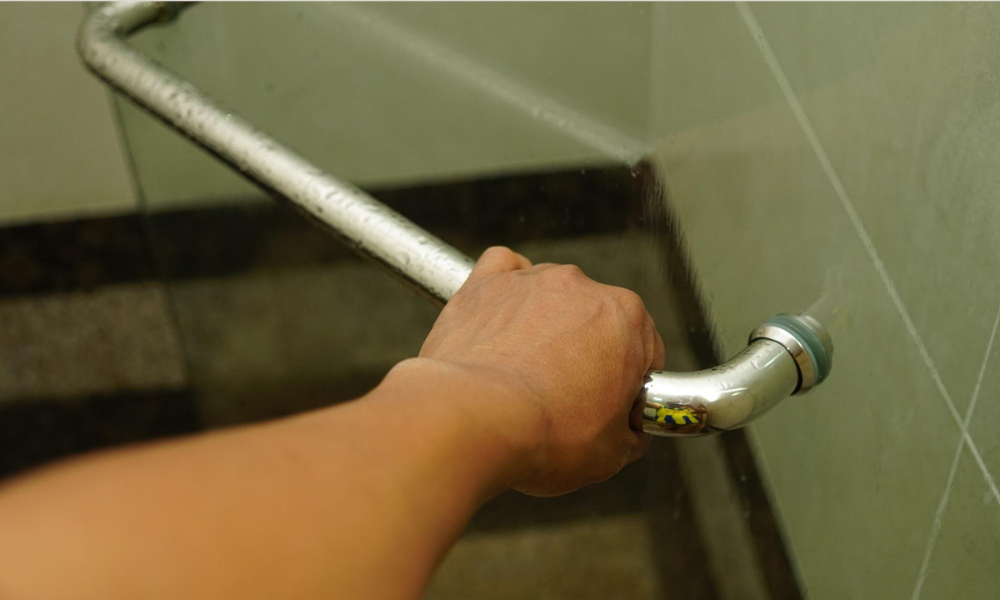
Grab bars only work when they are securely fastened to wall studs and positioned within reach during a transfer or a fall. Mounting into drywall alone is one of the most hazardous shortcuts in accessibility installation.
Common Placement Errors
- Anchored into drywall, not studs
- Positioned too high for users
- Missing near tubs and toilets
- Spaced too far from seating areas
A Safer Approach
Grab bars should be installed where users naturally reach for support while standing, sitting, or transferring. A professional installer can determine the safest placements, ensuring secure anchoring. This enhances both safety and confidence.
Overlooking Flooring and Surface Transitions
Equipment can be sized and anchored correctly, yet still fail if the transition between surfaces is uneven. Rug edges, thresholds, and ramp landings are frequent trip points that often get overlooked during planning.
Transition Issues That Get Missed
- Raised thresholds at doorways
- Loose rugs near ramp landings
- Uneven flooring under lift chairs
- Gaps between the ramp and the porch
Don’t Overlook This
Addressing floor transitions during installation can safeguard both users and the equipment from future issues.
The Expertise Behind Every Med Mart Home Installation
The reliability of home accessibility equipment depends not only on the right product but also on expert installation. Med Mart Home brings that guidance to families through its extensive product knowledge and careful installation services.
Here’s what sets their approach apart:
- Equipment matched to real home layouts
- Hands-on installation guidance for every order
- Local technicians who know Cincinnati homes
- Ongoing support after equipment is installed
Contact us today to discuss which mobility equipment is best for your home and get expert guidance before installation.
Create a Safer Home from the Start
Home accessibility needs will change over time, and choosing adaptable equipment can provide better long-term support. Working with a team that understands both the equipment and the home layout can help households avoid repeating these mistakes in the future.
Small adjustments over time can help the home continue to support shifting mobility needs. Regular maintenance is just as important as the initial installation to keep the space functional and safe.
Frequently Asked Questions
How long does stairlift installation take?
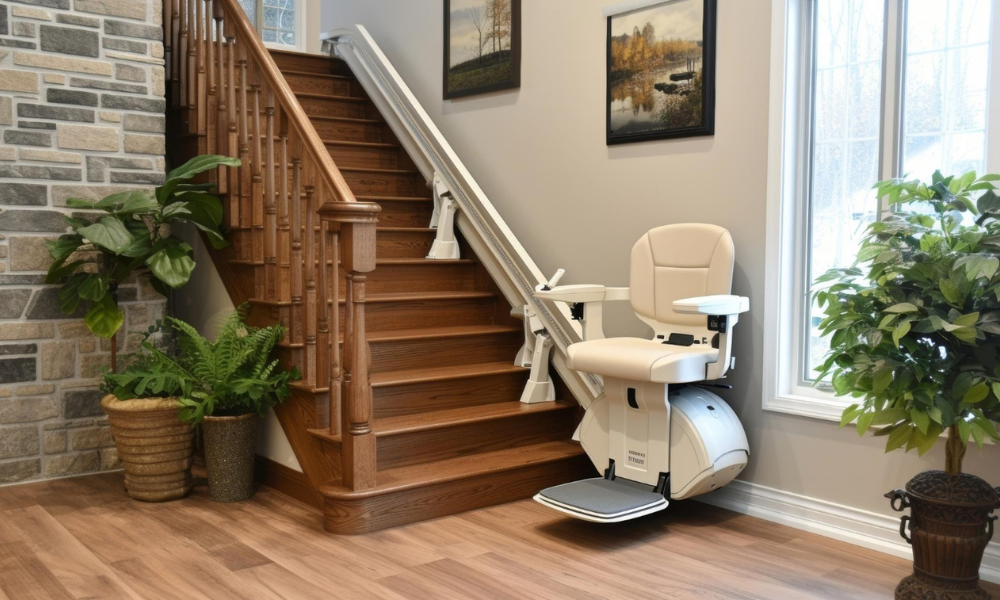
Most stairlift installations take three to four hours, with testing and training included before the team leaves.
Can grab bars be installed in any bathroom wall?
Bars need stud or blocking support, so installers locate solid anchor points before mounting for safety.
What ramp slope is safest for wheelchairs?
A 1:12 slope, one inch of rise per foot of ramp, meets ADA standards and works well at home.
Does accessibility equipment need regular maintenance?
Yes, stairlifts and lifts need periodic inspections of batteries, tracks, and moving parts to stay safe in the long term.