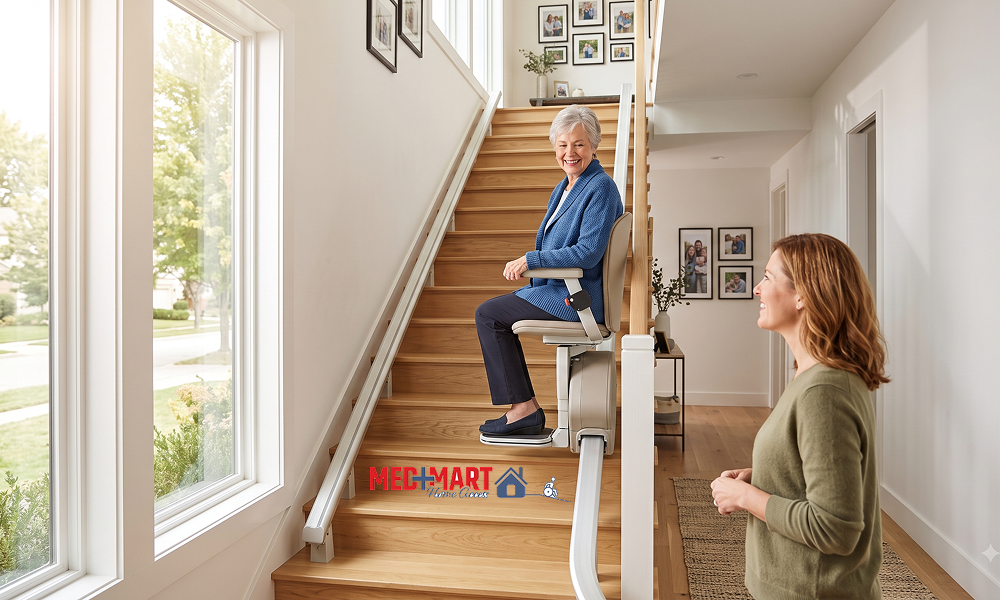
A straight stairlift installation generally takes around two to six hours and is often completed in a week or three from your initial call. A curved stairlift installation takes longer, typically six to twelve weeks total, since the rail should be custom-built to align with your staircase.
Climbing the stairs starts to feel more like a risk than a routine once mobility becomes a daily concern. A recent surgery, a shaky knee, or the natural changes that come with aging can turn a staircase into the most intimidating part of the house. For seniors, caregivers, and people with mobility challenges, staying safe at home becomes more important than enduring pain on every trip upstairs.
This often involves making home modifications, such as installing a stairlift, which offers a proven, non-invasive way to regain independence. Once that decision is made, one question that immediately comes to mind is how long the installation will take.
To answer that question, it’s important to choose the right provider with experience with the equipment and people who depend on it. This is where Med Mart Home has earned its longstanding reputation as a trusted provider of home mobility solutions. Led by a team of specialist installers, the company also provides equipment rentals and repairs to make every step of the process simple and supported.
Why Stairlifts Are a Popular Mobility Solution
Stairs can become one of the biggest challenges for people with mobility limitations. Whether due to aging, an injury, surgery recovery, or a chronic condition, navigating stairs can become difficult and unsafe. While moving to a single-story home or relocating a bedroom downstairs are possible solutions, they aren’t always the easiest or most affordable options. A stairlift can solve the same problem without forcing anyone to leave the home they love.
So, here’s why most households are choosing stairlifts over other options:
- They help residents stay in their current home
- A cost-effective solution compared to a full-home renovation
- Installation in just hours instead of weeks
- Needs minimal structural changes to stairs
- Works perfectly for straight, curved, or outdoor staircases
The outcome is an accessibility upgrade with professional stairlift installation that aligns with real budgets and timelines. This is the reason why this solution is one of the most requested mobility solutions for homes today.
Straight vs Curved Stairlifts: Why Type Matters
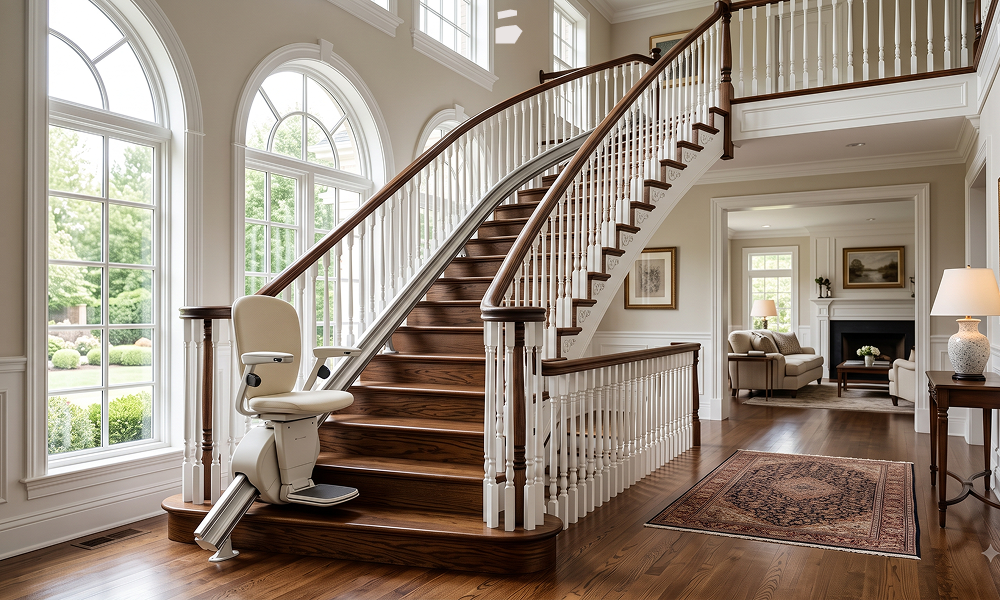
Not all staircases are the same, and neither are the stairlifts that are built to fit them. The right classifications, either straight or curved, affect almost everything from equipment cost to how soon a stairlift can be installed. According to recent Centers for Disease Control and Prevention (CDC) data, one in four adults aged 65 and older experiences a fall each year, and stairs remain one of the common risk points inside the home. So, making the right stairlift choice is important for both the safety and convenience of your loved ones.
Let’s get a quick insight into both stairlift types:
- Straight rails ship pre-made
- Curved rails need custom fabrication
- Straight lifts install within days
- Curved lifts handle multiple turns
- Rail type affects total cost
Therefore, sourcing the right medical supplies and equipment from a reliable, experienced provider can make any installation safe and stress-free.
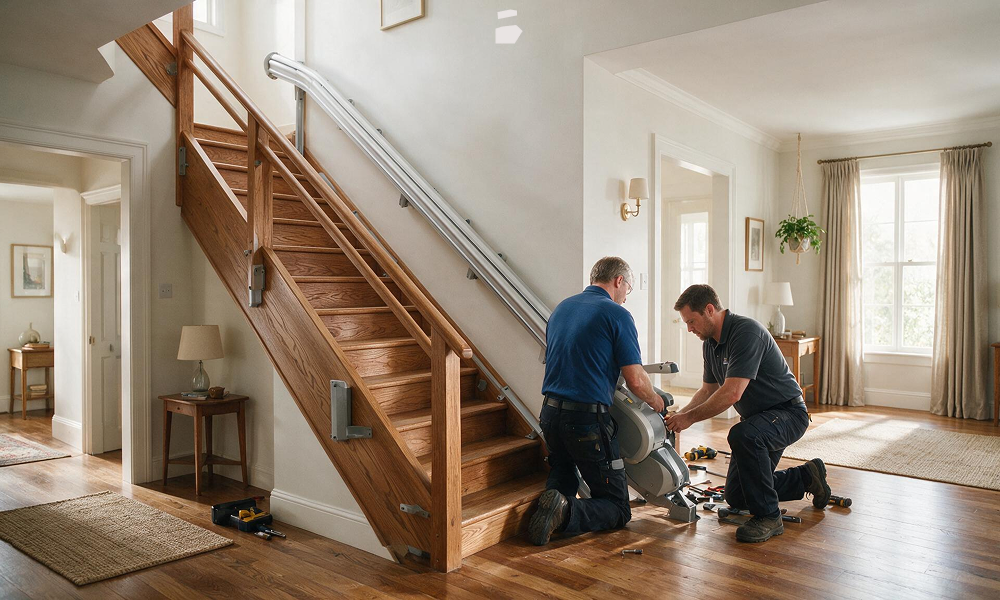
Inside a Stairlift Installation Appointment: What to Expect
Stairlift installations follow a professional sequence that’s designed to maintain a safe, efficient, and
stress-free process for the entire household.
Site Preparation and Safety Setup
Before installation begins, certified technicians will clear the staircase, protect the flooring, and gather the necessary tools. This helps keep the work area safe, clean, and organized throughout the installation.
Rail Mounting Along the Staircase
The aluminum rail is securely mounted directly to the stair treads instead of the wall. This helps distribute the lift’s weight evenly and protects the staircase’s structural integrity.
Carriage and Seat Assembly
The carriage, footrest, seat, and armrests are then attached to the rail. Once assembled, the stairlift is adjusted to suit the user’s height, comfort, and mobility needs.
Power Connection and Battery Charging
The unit is typically connected to a nearby power outlet, allowing its battery to remain continuously charged. This ensures the stairlift stays operational, even during short power outages.
Testing, Calibration, and Final Walkthrough
Technicians will run several test cycles, verify that the safety sensors are functioning properly, calibrate the speed settings, and walk users through the stairlift’s operation before completing the cleanup and installation.
What Really Determines Your Stairlift Installation Timeline
There are various factors that directly influence the stairlift installation timeline. This determines whether the installation is completed within days or takes a couple of weeks to arrive and be properly fitted
Staircase Design and Layout
Standard rail lengths will be used for a straight staircase, which professional installers can handle. A curved staircase or one with multiple landings requires precise measurement and the installation of a custom rail, which naturally delays the entire project.
How Layout Can Affect Timing:
- Staircases designed straight or curved
- How often do they turn or land
- Height and width of stairs
- Area along the wall that is free
Quick takeaway: Straight staircases will be installed sooner, whereas the curved ones will require extra custom manufacturing units.
Custom Measurements and Manufacturing Lead Time
A technician takes accurate measurements of your staircase for manufacturing curved stairlifts. This custom rail is manufactured in a factory in about two to six weeks, depending on the complexity and volume of the order.
What Affects Manufacturing Speed:
- The staircase curve’s intricate nature
- Existing production orders
- Material and finish of rail selected
- Distance of shipping to your home
Quick takeaway: If you place your order as soon as possible, it can prevent unnecessary delays once production begins on your custom curved rail.
Electrical and Power Outlet Access
Most stairlifts use rechargeable batteries that always require a standard outlet to charge continuously. An electrician may be needed to add an outlet at the top or bottom of the stairs if there are currently no outlets there.
Electrical Details That Impact Scheduling:
- How far is the nearest plug
- A need to install a new electrical outlet
- Existing capacity of home’s electrical panel
- A licensed electrician is available
Quick takeaway: To ensure things do not get delayed any further, professionals will confirm outlet access sooner.
Staircase Width, Obstructions, and Structural Condition
Decorative railings, narrow staircases, or low ceilings can slow the installation process and require additional adjustments. Structural issues, such as loose treads or uneven steps, may also need to be repaired before a stairlift can be installed.
Physical Factors Technicians Check For:
- Width of the staircase and railing location
- Height of ceiling along stairway
- The state of the steps and treads
- Doors, walls, or furniture near the staircase
Quick takeaway: Structural issues need to be solved as soon as possible to keep
installation day on track.
Permits, HOA Rules, and Building Requirements
Residential stairlift installations generally do not require permits. However, condominiums, historic homes, and homeowners associations (HOAs) may have specific requirements or restrictions. It’s advisable to check these requirements in advance to avoid last-minute scheduling delays.
Requirements Worth Confirming in Advance:
- Requirements for local building permits
- Approval from the HOA or condo association
- Guidelines for saving old homes
- Authorization from the owner of a rental estate
Quick takeaway: A quick call to your building manager may prevent further avoidable delays
in your installation.

Supporting Your Stairlift Installation and Home Mobility Journey
Choosing the right stairlift is only part of the process. Professional installation, ongoing support, and reliable service are equally important. In addition to equipment repair and support, Med Mart Home also offers home mobility and modifications for families.
Here’s why families rely on our support for mobility needs at home:
- Quick and easy installation of stairlifts, home elevators, ramps, lifts, walk-in tubs, and more by trained professionals
- Prompt in-home repairs by certified and licensed technicians
- Providing comfortable rentals for short-term use and requirements
- Home mobility solutions that enhance complete home accessibility
Looking to make your staircase a safer place to move about at home? Contact us today to schedule a free expert consultation.
Take the Next Step Toward Easier Living at Home
Every home has unique accessibility needs. Families reach out for support in a variety of situations, such as planning for aging parents, helping a loved one recover, or simply finding a safer, more comfortable way to navigate their own home.
Whatever brought you here, accessing every floor of your home safely and reliably should never feel complicated or stressful. With the right support and an experienced team, your home can provide greater independence and comfort than you may have thought possible.
Frequently Asked Questions
Will a stair lift be covered under my homeowners insurance?
Some insurance policies may offer limited coverage through home modification benefits, but most stairlifts are not covered. Check with your insurance provider to understand your specific coverage options.
Can we remove or relocate a stairlift if we move to a new home?
Can you use a stairlift during a blackout safely?
Yes, most stairlifts have battery backup that stays charged while docked to the charger. It keeps the lift working during a power outage, though it’s still a good idea to test it every so often.
What is the usual weight limit for a stairlift?
Most standard stairlift seats will support 300-400 lbs. You can purchase heavier models for higher capacities, but an analysis can help the technician recommend the appropriate fit.